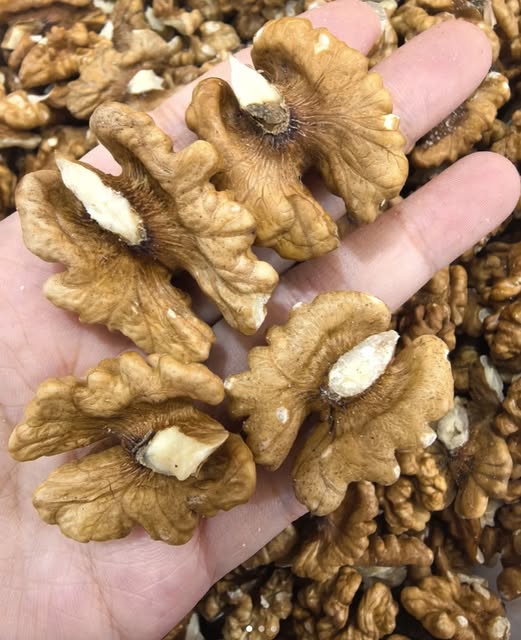
When discussions turn to improving health through everyday food choices, few ingredients deliver as much value as the modest walnut. Often overlooked or treated as a simple snack, these small, brain-shaped nuts are packed with nutrients that quietly support the heart, brain, and overall physical health. Medical professionals and nutrition experts consistently point to walnuts as a food that, when consumed regularly, can contribute to lasting improvements in well-being rather than short-term results.
Scientific research continues to highlight just how impactful walnuts can be when they become part of a daily diet.
A natural ally for heart health
Walnuts stand out as one of the most heart-friendly foods found in nature. They are especially rich in omega-3 fatty acids, with alpha-linolenic acid (ALA) playing a central role in cardiovascular protection. ALA has been shown to reduce inflammation in the body, lower levels of LDL, commonly known as “bad” cholesterol, and improve the elasticity of blood vessels. These factors are critical in maintaining healthy circulation and reducing strain on the heart.
Multiple studies suggest that people who regularly eat walnuts have a lower risk of heart disease and stroke. Even a small daily serving — just a handful — can help support balanced cholesterol levels and promote long-term heart function, making walnuts a practical choice for prevention rather than correction.
A powerful source of antioxidants
Walnuts are also notable for their exceptionally high antioxidant content. They contain vitamin E, melatonin, and a variety of plant-based compounds called polyphenols, all of which help combat oxidative stress. Oxidative stress occurs when free radicals damage cells, contributing to aging and the development of chronic conditions such as cardiovascular disease and metabolic disorders.
By neutralizing these harmful molecules, the antioxidants in walnuts help protect cells and support the body’s natural repair processes. Over time, this protection may also benefit skin health, helping maintain resilience and a healthier appearance as the body ages.
Brain food backed by research
The resemblance between walnuts and the human brain is more than symbolic. Research suggests that the nutrients found in walnuts — including polyunsaturated fats, polyphenols, and vitamin E — play a role in supporting cognitive function. Regular consumption has been linked to improved memory, sharper focus, and better overall mental performance.
For older adults, these benefits may translate into clearer thinking and a potential reduction in age-related cognitive decline. Some studies also associate walnut intake with improved mood and reduced stress, reinforcing the idea that caring for the brain often begins with what we eat. Adding walnuts to breakfast or snacks can be a simple habit with meaningful long-term benefits for mental health.
Promoting a healthy gut
Gut health is increasingly recognized as a cornerstone of overall wellness, and walnuts contribute in this area as well. They act as a natural prebiotic, feeding beneficial bacteria in the digestive system. A balanced gut microbiome supports not only digestion, but also immune function, inflammation control, and even emotional well-being.
By encouraging the growth of healthy gut bacteria, walnuts help create an internal environment that benefits the entire body. This internal balance plays a key role in energy levels, nutrient absorption, and long-term health resilience.
Helping manage weight naturally
Despite being calorie-dense, walnuts can support healthy weight management when eaten in moderation. Their combination of protein, fiber, and healthy fats promotes a lasting sense of fullness, which helps reduce unnecessary snacking and overeating later in the day.
Research has also suggested that nuts like walnuts may slightly boost metabolism and improve how efficiently the body uses energy. Replacing processed snacks with a small portion of walnuts can be both satisfying and supportive of long-term weight control.
Supporting healthy blood sugar levels
Walnuts are also a smart dietary choice for people concerned about blood sugar management. Their low carbohydrate content, paired with healthy fats, helps stabilize blood glucose levels after meals. Antioxidants found in walnuts have been linked to improved insulin sensitivity, allowing the body to regulate blood sugar more effectively.
For individuals managing diabetes or simply aiming to avoid energy crashes, walnuts offer steady nourishment without sudden spikes. Choosing walnuts over sugary snacks can provide consistent energy throughout the day.
Simple ways to enjoy walnuts every day
One of the greatest strengths of walnuts is how easily they fit into everyday meals. Their mild flavor and satisfying crunch make them incredibly versatile.
They can be sprinkled over oatmeal or yogurt in the morning, tossed into salads for added texture, blended into smoothies for healthy fats, or finely chopped and used as a crust for fish or chicken. Of course, they can also be enjoyed on their own as a convenient afternoon snack. A standard serving — about one ounce, or roughly seven whole walnuts — delivers substantial benefits without excess calories.
The takeaway
Walnuts are far more than a casual snack. They function as a natural, food-based supplement that supports heart health, brain function, digestion, and overall vitality. For those looking to age well, protect cognitive health, and strengthen cardiovascular function, walnuts offer a simple, research-backed solution.
For older adults in particular, who often seek foods that promote heart and brain health without complexity, walnuts provide an easy and effective path toward long-term wellness. Adding them to the grocery list is a small step that can yield meaningful benefits over time — a reminder that some of the most powerful health choices come in simple, familiar forms.
