
Long before Judy Garland became a global symbol of magic, music, and cinematic brilliance, she was a child navigating a life far heavier than her years.
Her story is one of extraordinary talent intertwined with profound struggle, a narrative that offers both admiration and a sobering reflection on the cost of early fame.
From her earliest performances to her later reflections on life, Garland’s journey illuminates how the pressures of Hollywood, compounded by personal and family challenges, shaped a childhood—and a life—full of both wonder and hardship.
Early Life: A Childhood in the Spotlight
Born Frances Ethel Gumm on June 10, 1922, in Grand Rapids, Minnesota, Judy Garland entered a world already steeped in performance.

Her parents, Ethel and Frank Gumm, were vaudeville performers, and their itinerant lifestyle exposed Garland to the stage before she could fully comprehend what it meant.
Performing became almost instinctive; it was woven into the very fabric of her upbringing. While the stage offered her a place to shine, it was also the beginning of an intense and relentless pressure to excel, even as a young child.
The Gumm family life was far from idyllic. Frequent moves and financial instability created an environment of unpredictability and stress.
Garland later described her early childhood as one where love and attention were often tied to performance and achievement.
Performing became less of a joyful choice and more of a necessity—a way to secure approval from parents, teachers, and eventually audiences. Even as a young girl, Garland began to internalize the idea that her value was measured by her talent, a realization that would echo throughout her life.
Early Career and the Pressures of Stardom
Garland’s precocious talent did not go unnoticed. By the time she was a teenager, she had already been performing professionally for years.
Her powerful voice, expressive presence, and innate charisma set her apart from other child performers. Yet with recognition came a mounting burden.
As she signed with the influential MGM studio in the 1930s, Garland’s rise to stardom accelerated, but so did the demands placed upon her.
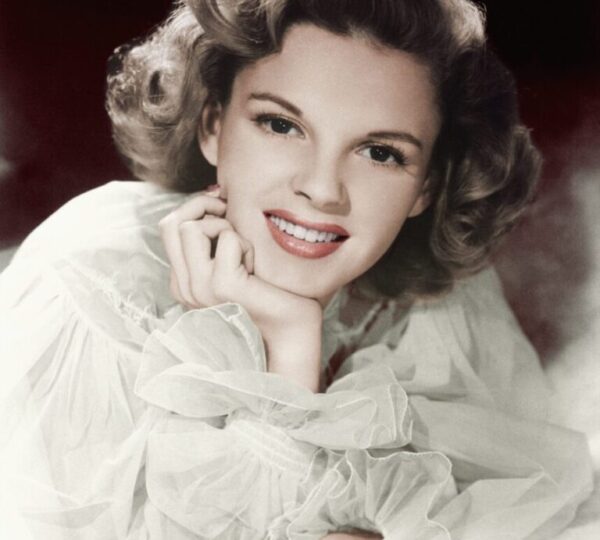
MGM executives were notorious for their strict control over actors’ appearances, schedules, and public personas. Garland’s image was carefully curated, her routines tightly monitored, and her daily life regimented to maximize productivity and maintain studio ideals.
She was encouraged to lose weight, adjust her vocal style, and adhere to exacting schedules that left little time for rest or self-discovery.
The pressures of studio life were compounded by a lack of privacy and constant public scrutiny, creating a tension between Garland’s personal needs and professional obligations.
Despite these challenges, Garland delivered performances that would become timeless. Her portrayal of Dorothy in The Wizard of Oz (1939) remains iconic, captivating audiences with innocence, charm, and emotional depth.
Yet behind the camera, Garland often struggled with exhaustion, insecurity, and the relentless demands of an industry that prioritized image over individual well-being.
This dichotomy—between her joyful, radiant on-screen presence and her off-screen hardships—became one of the defining tensions of her life.
Family Dynamics and Emotional Struggles
Garland’s family life played a central role in shaping both her career and her personal challenges. Her parents, while talented and committed performers themselves, had complicated relationships with their children.
Garland’s early performances were often influenced by her parents’ ambitions, and she frequently found herself navigating the delicate balance between familial loyalty and personal desire.
In later interviews, she reflected on how performing became the only time she felt genuinely valued, a poignant revelation that remained with her into adulthood.
The pressures Garland faced were not limited to her professional environment. She also struggled with emotional and mental health challenges, exacerbated by the intense scrutiny and lack of autonomy inherent in her career.
From a young age, she was expected to manage complex emotions and maintain a composed public persona, while privately grappling with anxiety, insecurity, and self-doubt.
These struggles were compounded by the culture of Hollywood at the time, which often failed to provide adequate support for child performers navigating fame and personal development.
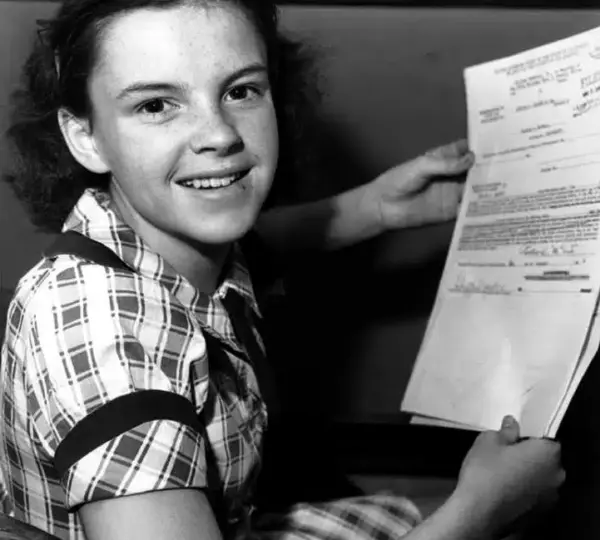
Breakthroughs and Iconic Roles
Despite the personal and professional pressures, Garland’s talent and resilience ensured her place in entertainment history.
Her early roles at MGM allowed her to display versatility, moving seamlessly between musicals, comedies, and dramatic features. She became a symbol of both artistic excellence and emotional authenticity, capable of conveying vulnerability and strength in equal measure.
The pinnacle of her early career came with The Wizard of Oz, a role that immortalized her as Dorothy Gale. The film’s enduring popularity showcased Garland’s ability to connect deeply with audiences, her performance resonating across generations.
Songs like Over the Rainbow captured not only her vocal prowess but also her ability to imbue a character with heartfelt emotion, reflecting both her personal experiences and her skill as a performer.
Despite the film’s success, Garland continued to face intense scrutiny from studio executives, who imposed strict routines and personal expectations, often at the expense of her health and well-being.
Later Reflections and Interviews
In her later years, Garland was remarkably candid about the challenges she faced as a child star. Interviews, including those with Barbara Walters, reveal a woman who understood the complexity of her own life—the brilliance, the pain, and the lasting impact of early fame.
Garland spoke openly about the emotional toll of growing up in Hollywood, the pressures to maintain a particular image, and the difficulties of navigating personal identity while under constant observation.
These reflections provide invaluable insight into the realities of child stardom during the Golden Age of Hollywood.
They highlight the paradox of Garland’s experience: her extraordinary talent brought her fame, wealth, and adoration, yet it also demanded sacrifices that shaped her personal life in profound ways.
Her story serves as both inspiration and caution, reminding audiences that behind every celebrated performance lies a human being navigating a complex and often challenging journey.
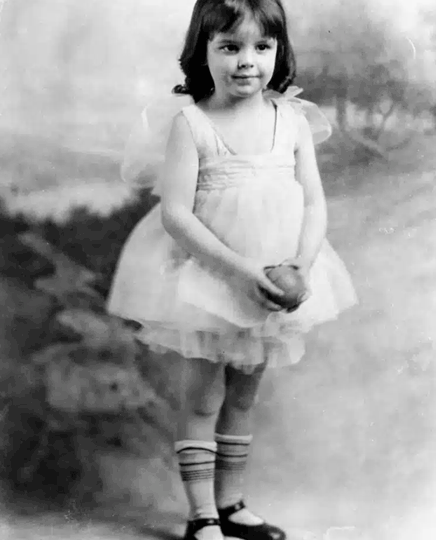
Legacy and Enduring Impact
Judy Garland’s legacy extends far beyond her filmography and music. She became an emblem of resilience, talent, and emotional depth, leaving an indelible mark on both the entertainment industry and cultural consciousness.
Her performances continue to inspire new generations of artists, while her personal story fosters empathy and understanding for the challenges faced by child performers and those navigating fame at a young age.
Her influence is evident not only in the continued popularity of her films and music but also in the broader conversations about mental health, childhood stardom, and the pressures of fame.
Garland’s life reminds us that artistic brilliance often comes with profound personal costs, and that understanding and empathy are essential when examining the lives of those in the spotlight.
Personal Challenges and Resilience
Throughout her career, Garland faced numerous personal challenges, including struggles with mental health and addiction, which were often exacerbated by the pressures of Hollywood.
These challenges, however, did not diminish her talent or her commitment to her craft. Garland’s ability to perform with authenticity, even amidst personal turmoil, underscores her remarkable resilience and dedication.
Her struggles, candidly discussed in interviews and biographies, shed light on the complex interplay between personal hardship and artistic achievement.
They reveal a woman who, despite immense pressure and personal challenges, continued to captivate audiences with her voice, charisma, and emotional honesty.
Garland’s life demonstrates that true artistry is often inseparable from the human experiences—joys, sorrows, and everything in between—that inform it.
The Human Side of a Legend
Judy Garland’s story is a reminder that behind every public persona lies a private life, full of nuance, complexity, and humanity.
While she dazzled audiences with her performances, she also experienced pain, loss, and emotional strain that few could fully comprehend.

Her ability to translate these experiences into art created a profound connection with audiences, who continue to celebrate her work decades after her passing.
Garland’s journey underscores the importance of empathy and support for performers, particularly those who enter the spotlight at a young age.
Her experiences highlight the need for structures that protect and nurture young talent, ensuring that artistic potential is fostered without sacrificing emotional and psychological well-being.
Conclusion
Judy Garland’s life is a tapestry of triumph, struggle, and enduring influence. From her early days as a child performer navigating a challenging family and professional environment to her later reflections on the pressures of fame, Garland’s story is both inspiring and cautionary.
Her performances, including her unforgettable role in The Wizard of Oz, showcase a talent that continues to resonate, while her personal journey provides valuable lessons about the human cost of early stardom.
Today, Garland’s legacy is celebrated not only for her contributions to music and film but also for the empathy and understanding her story inspires.
She remains a cultural icon whose brilliance and vulnerability continue to captivate audiences, reminding us that behind the brightest spotlights are real lives filled with both joy and struggle.
Judy Garland’s story is, at its core, a testament to resilience, talent, and the enduring power of human spirit—a narrative that will continue to touch hearts for generations to come.
