
Science often produces outcomes that feel like miracles—especially when genetics leads to results most people rarely see. One of those rare events is when twins born to a mixed-race couple have noticeably different skin tones and features. In one British family, this “miracle” didn’t happen once—it happened twice.
A Mixed-Race Couple’s First Set of Twins Shocked Everyone
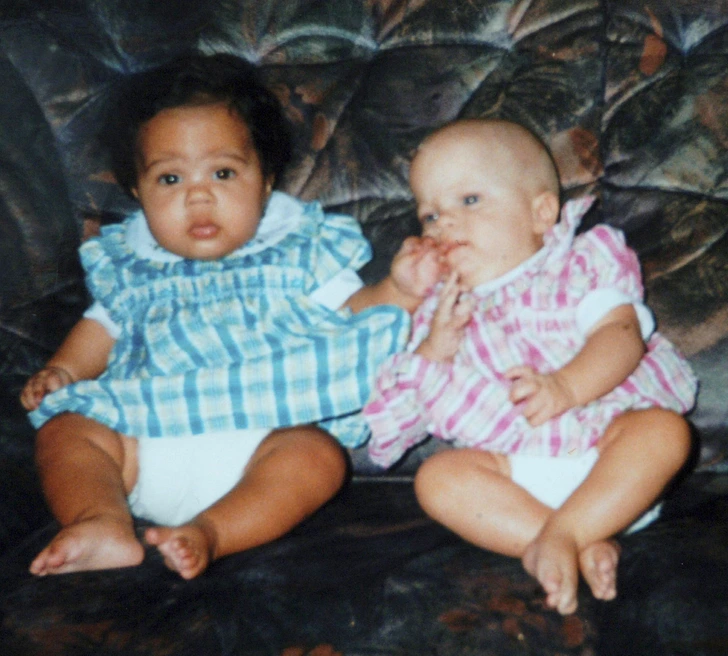
A British couple, Dean Durrant and Alison Spooner, experienced an extraordinary surprise in 2001 when they welcomed twin daughters:
- Hayleigh: inherited her father’s darker skin tone
- Lauren: looked more like her mother with fair skin and blue eyes
Even though they were born together, the twins’ skin tone and eye color differences made many people do a double take.
The Miracle Happened Again With a Second Set of Twins (2008)
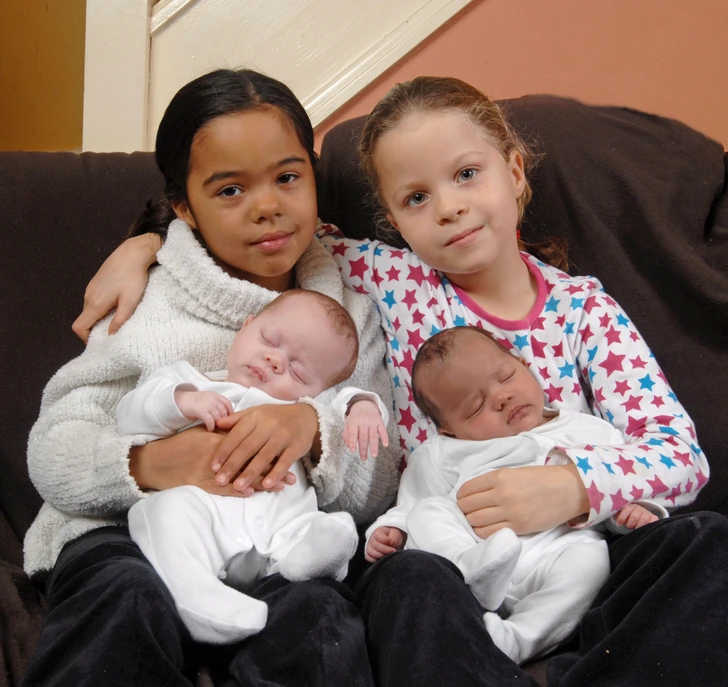
Years later, the family received another unexpected surprise. In 2008, Alison gave birth to another set of twin girls:
- Miya
- Leah
Just like their older sisters, the younger twins also look noticeably different from each other, leaving the family stunned. The father admitted he was shocked because there was “no easy way to explain it,” and nobody expected such a rare event to occur again.
“No One Believes We’re Twins” — Life With a Rare Appearance Difference
Because of how different they look, the older twins often face disbelief from strangers:
- People may assume they are best friends, not sisters
- Some react with shock or even suspicion
- The twins have learned to handle it—and sometimes prove it
They reportedly enjoy seeing people’s reactions and may even use official documents (like passports) to show that they truly are twins.
Despite the differences in appearance, their bond is strong:
- They have shared the same room since birth
- They describe being twins as having a built-in best friend
- Their relationship is close in nearly every way—except looks
Recognized for a Truly Unique Family Record
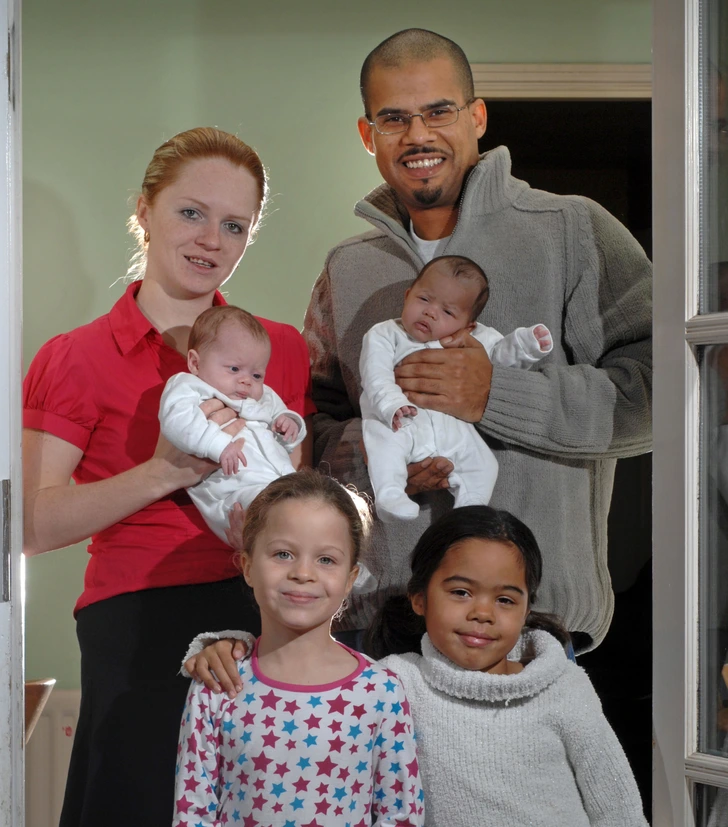
After the birth of the second set of twins, the family gained major attention because the situation became even rarer:
- They were included in the Guinness World Records
- They were described as the only family known to have two sets of biracial twins with distinct differences in appearance
The article claims the odds are extremely small, estimating:
- Different-looking biracial twins: about 1 in 500,000
- Two sets in the same family: about 1 in 1,000,000
Family Life: Younger Sisters Look Up to the Older Ones
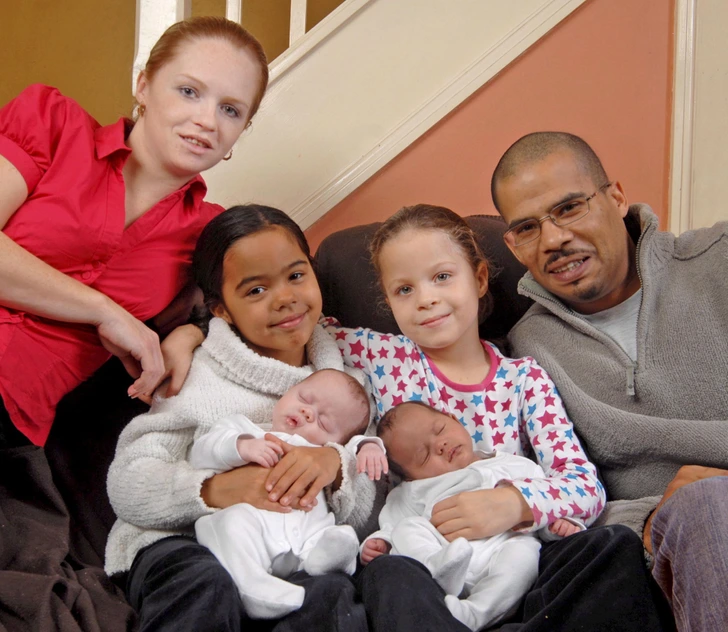
Inside the home, the sisters’ connection goes beyond public attention. According to their mother:
- The younger twins idolize the older pair
- They often try to copy them
- The family dynamic feels like raising “two mini-mes,” with the little ones following the big sisters’ lead
For Miya and Leah, their older sisters are more than siblings—they are role models.
How Can Twins Have Different Skin Colors? The Genetics Explained Simply
The key point is that these twins are understood to be non-identical (fraternal) twins, meaning:
- Two separate eggs are released
- Each egg is fertilized by a different sperm cell
- Each baby inherits a different mix of genes from the same parents
Skin color is influenced by multiple genes, not just one. In mixed-race couples, the gene combinations passed to each child can vary widely, which means:
- One child may inherit more genes associated with darker pigmentation
- Another may inherit more genes associated with lighter pigmentation
- This can result in twins who look like they belong to different sides of the same family, even though they share the same parents and were born at the same time
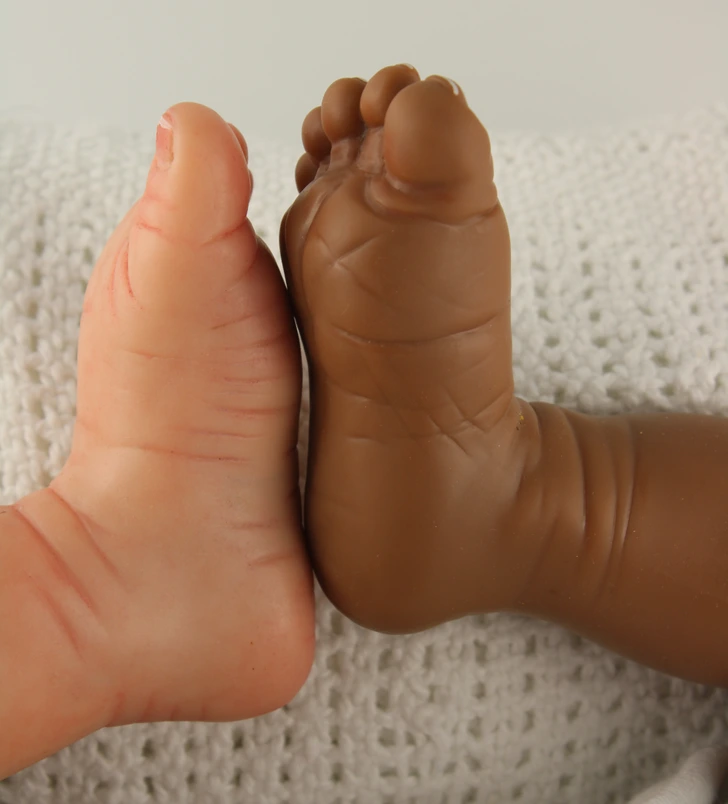
A Rare Genetic Outcome That Challenges Assumptions
This family’s story is a reminder that:
- Appearance doesn’t always match expectations, even within the same family
- Genetics can produce dramatic variation—especially in fraternal twins
- What looks “impossible” to the public can still be completely real and scientific
For Dean and Alison, the astonishing part is simple: the odds were already rare once—yet their family experienced it twice.
Preview photo credit Solent News / Shutterstock.com
