
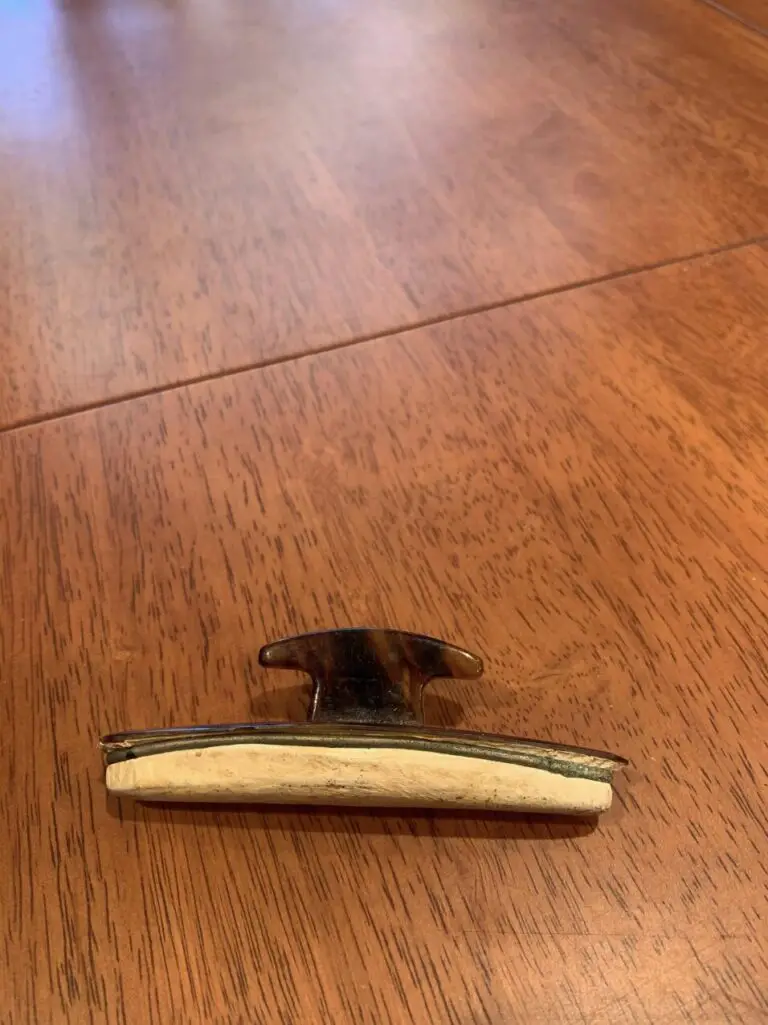
A puzzling antique object recently sparked a wave of speculation online after a photo of the mystery item was shared to Reddit’s “What Is This Thing?” community—where people routinely crowdsource identifications for odd historical finds. In this case, the object proved tricky at first, with many users unsure what they were looking at.
But the confusion didn’t last forever. After multiple theories floated around, one user proposed a surprisingly ordinary solution: it was likely a nail buffer, a grooming tool still used today to smooth and shine nails. That suggestion quickly reframed the discussion and helped the object make sense.
What Happened on Reddit
The post followed a familiar pattern seen in online “mystery object” threads:
- Someone discovered an unfamiliar vintage/antique item
- They shared a photo online, asking what it could be
- Most people struggled to identify it at first
- The breakthrough came when someone suggested it matched a common nail-care tool
In other words, what looked like an obscure relic may have been something far more familiar—just in an older, less recognizable form.
Why a Nail Buffer Makes Sense
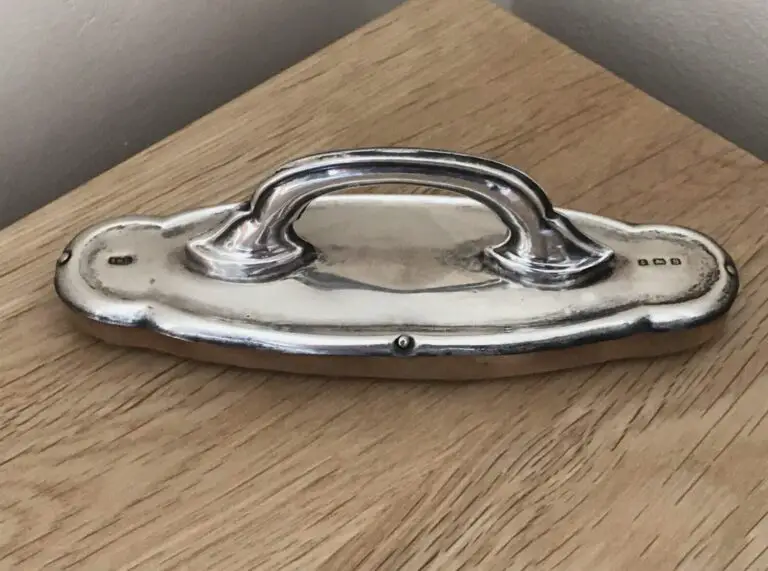
A nail buffer is designed to polish the surface of the nail—either to smooth ridges, add shine, or prepare nails for a finished look. While modern versions are easy to recognize (often foam blocks or multi-sided buffers), antique versions can look completely different, especially if they were made with older materials or decorative metals.
That’s why the item could stump viewers: the function stayed the same, but the design evolved dramatically over time.
The Long History of Nail Buffing
The article notes that nail care has been valued for centuries, and nail buffers have a surprisingly rich timeline of development.
1) Early grooming: simple tools, real results
In early nail-grooming practices, people used basic materials such as:
- Smooth stones
- Pieces of leather
These were rubbed by hand to produce shine—simple, manual, and effective.
2) Victorian era: function meets luxury
As grooming rituals became more refined, so did the tools. During the Victorian era, nail buffers were sometimes crafted from silver, turning them into:
- Functional beauty tools
- Decorative vanity-table items
- A symbol of polished, “luxury” self-care
The idea wasn’t just to maintain nails—it was to make nail care feel elegant.
3) 20th century: innovation and speed
By the 20th century, the focus shifted to convenience. Nail buffers evolved into electric devices, making the process:
- Faster
- Less physically effortful
- More accessible for frequent use
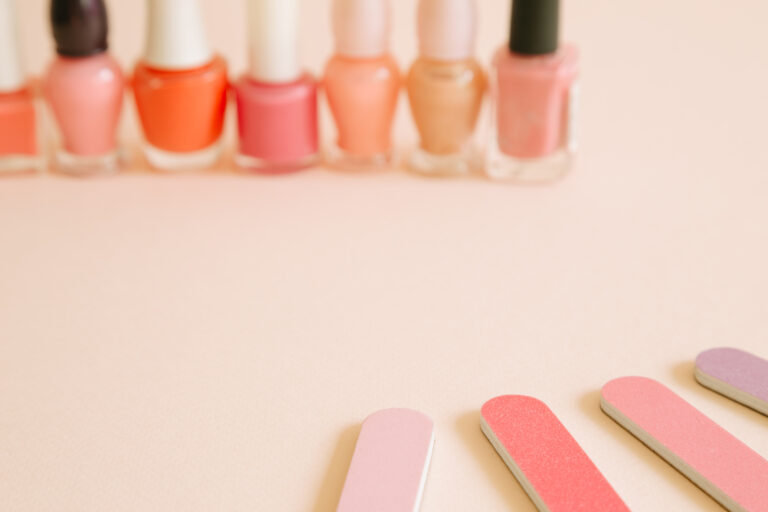
4) Today: countless styles and materials
Modern nail buffers come in a wide range of designs and materials, including:
- Colorful plastics
- Sleek metal finishes (including stainless-steel styles)
- Multi-step buffer systems aimed at different nail goals
Why Antique Nail Buffers Are Trending Again
In recent years, there’s been renewed interest in antique grooming tools—especially items that blend craftsmanship with nostalgia. Collectors and vintage enthusiasts are drawn to:
- The workmanship (especially on older metal pieces)
- The historical “vanity set” charm
- The idea of using a tool that has “survived” through generations
Key Takeaways
- The mystery object posted online was eventually suggested to be a nail buffer.
- Nail buffers have existed in many forms, from stone/leather polishing to Victorian silver tools and later electric devices.
- Antique nail buffers can be hard to recognize because designs changed significantly while the function stayed similar.
- Interest in these items is growing again due to craftsmanship, nostalgia, and collectible appeal.
