
When Charlie’s Angels hit the airwaves in the mid-1970s, it didn’t just deliver weekly crime stories—it helped reshape what many viewers expected from women on television. The show placed three women at the center of action-driven plots, presenting them as capable investigators who could handle danger, think strategically, and still be styled like the era’s biggest fashion icons.
Even though some critics dismissed the series as “jiggle TV” because it leaned heavily on glamour, the show still became a major ratings force—proving that audiences were ready to watch women lead action stories in prime time.
The Premise That Made the Show Stand Out
At its core, the series followed three private investigators working for the mysterious Charlie Townsend.
Key setup points:
- The Angels: Sabrina Duncan (Kate Jackson), Jill Munroe (Farrah Fawcett), and Kelly Garrett (Jaclyn Smith)
- The boss: Charlie Townsend, heard through a speakerphone rather than seen in person
- The tone: crime-solving mixed with high style—action, intrigue, and fashion packaged as mainstream entertainment
Behind-the-Scenes: The “Charlie” Twist Nobody Saw
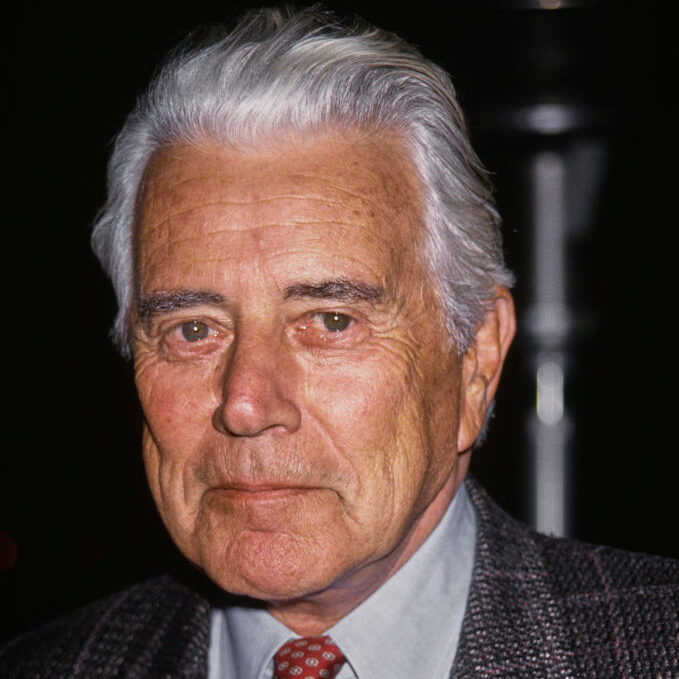
One of the most surprising production details is how “Charlie” was handled:
- John Forsythe was not the original choice to voice Charlie.
- The first actor hired was reportedly Gig Young, but he was removed at the last moment due to a drinking issue.
- Forsythe reportedly recorded his first voice-over while wearing pajamas.
- Throughout the series, Forsythe never appeared on set—his lines were recorded separately and added later.
- When the show needed Charlie to seem “present,” it relied on stand-ins filmed from behind or at a distance to maintain the mystery.
A Classic Visual Blooper: “Same Cars, Wrong Angels”
Fans who love spotting continuity errors have long noticed a recurring slip:
- Establishing shots of the agency often showed the same exterior view with the Angels’ cars parked outside.
- The cars frequently didn’t match which Angels were actually inside in the next scene.
- The lineup was often shown in the same sequence—white, yellow, orange—despite scene changes.
- The shot even suggested questionable parking logic: red-zone parking and only one meter for multiple cars.
The Angels’ Signature Rides
The show didn’t just give the characters style—it gave them identifiable cars:
- Jill (and later Kris): Cobra
- Kelly: Mustang
- Sabrina: Pinto
- Bosley: Thunderbird
These details became part of the series’ visual identity—another layer of branding that made the show memorable.
Salaries: How Pay Reflected Seniority—and Fame
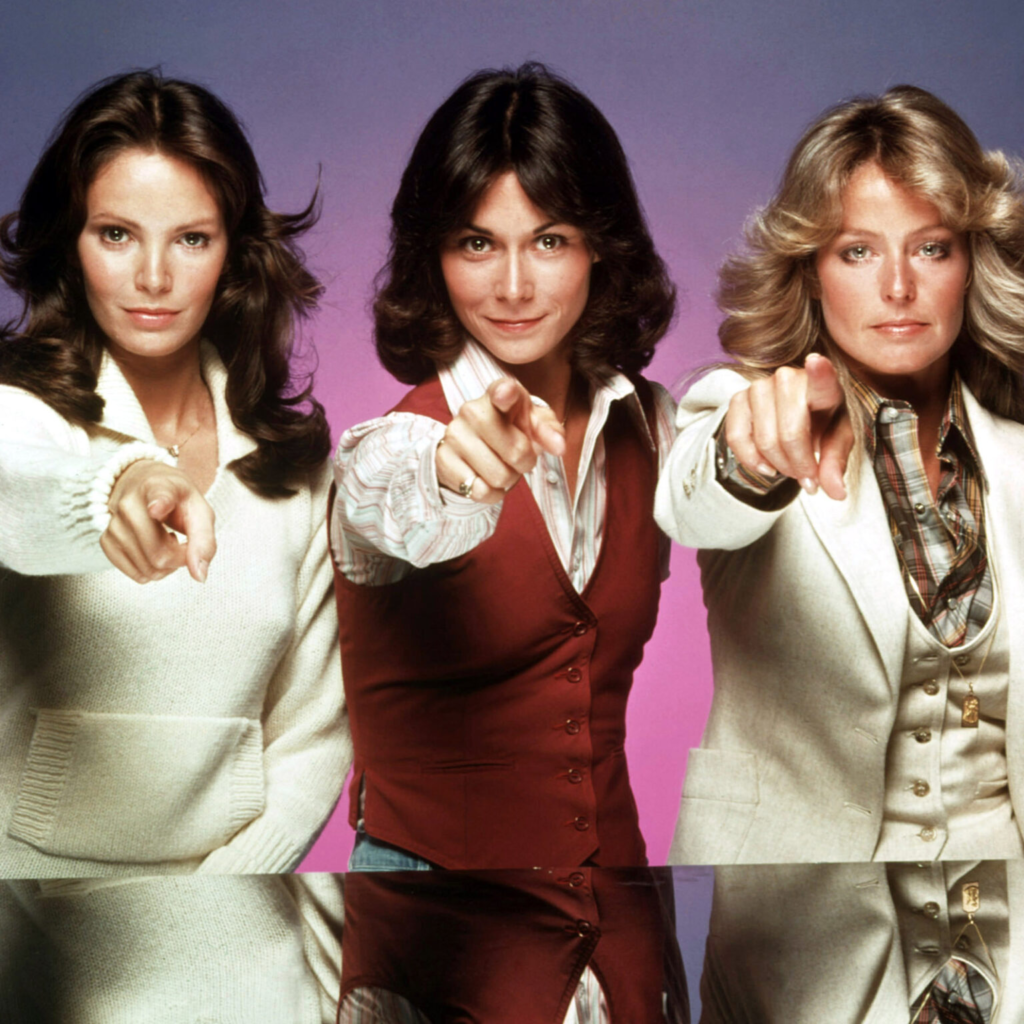
One clear window into how the industry valued actors at the time is the show’s reported pay structure:
- Early on, Farrah Fawcett and Jaclyn Smith reportedly earned $5,000 per episode.
- Kate Jackson, as the more established performer, reportedly earned $10,000 per episode.
Over time, the numbers changed dramatically:
- Jaclyn Smith, the only Angel to remain through all five seasons, reportedly rose to $75,000 per episode by the final season.
- At that point, she was among the highest-paid TV stars of the era, with only a small handful reportedly earning more.
The Name That Almost Didn’t Exist
Before it became a pop-culture staple, the show nearly had a completely different title:
- The early working title was reportedly “Alley Cats”—a name that didn’t fit the polished detective image.
- The final title, Charlie’s Angels, was inspired after Kate Jackson noticed a painting of three angels and suggested the new direction.
That single branding shift helped create one of the most recognizable titles in television history.
Why Farrah Fawcett Left After One Season
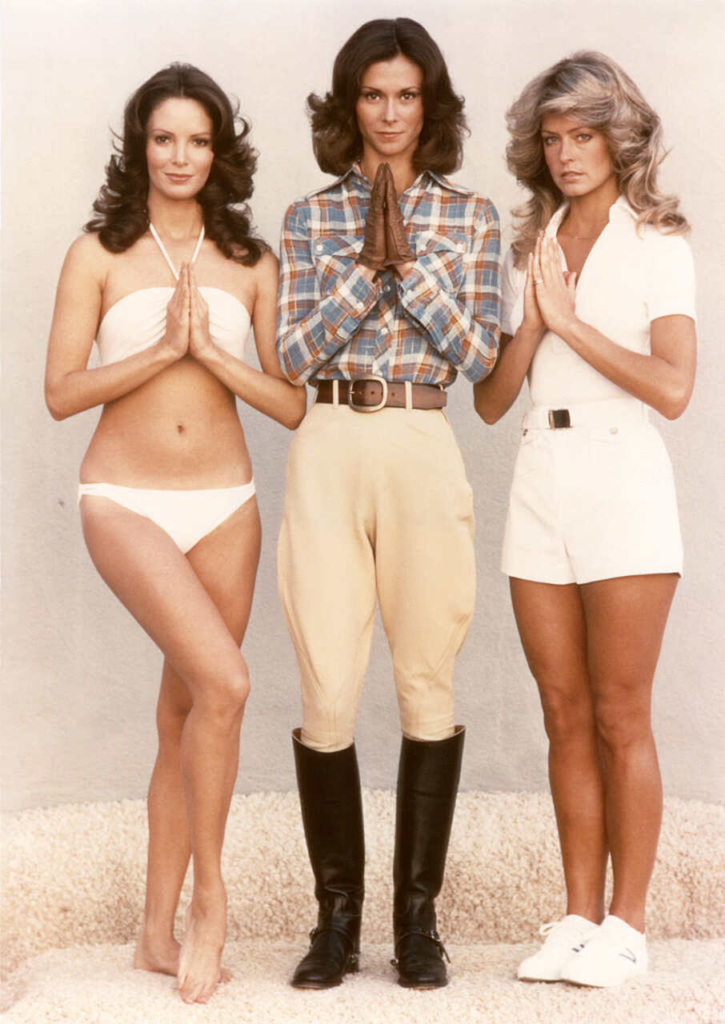
Farrah Fawcett’s departure became one of the show’s defining real-life dramas. Her exit was linked to a mix of factors, including:
- Rapid fame that overwhelmed the balance among the cast
- Money discussions, including reports of salary increases and merchandising demands
- Ambition beyond television, with a strong push toward feature films
- A feeling that the role’s emotional range was limited, leaving her creatively stifled
She and then-husband Lee Majors also formed Fawcett-Majors Productions, signaling a serious move toward building a film-focused career.
The Lawsuit and the Cost of Walking Away
Leaving wasn’t simple:
- Producers pursued legal action over contract issues, turning her departure into a high-profile conflict.
- The dispute reportedly ended with Fawcett agreeing to six guest appearances while the series continued.
- She later described the situation as professionally damaging, saying the industry could be hostile toward a TV star trying to be taken seriously as an actress.
The Replacement Who Walked In With a Bold Statement
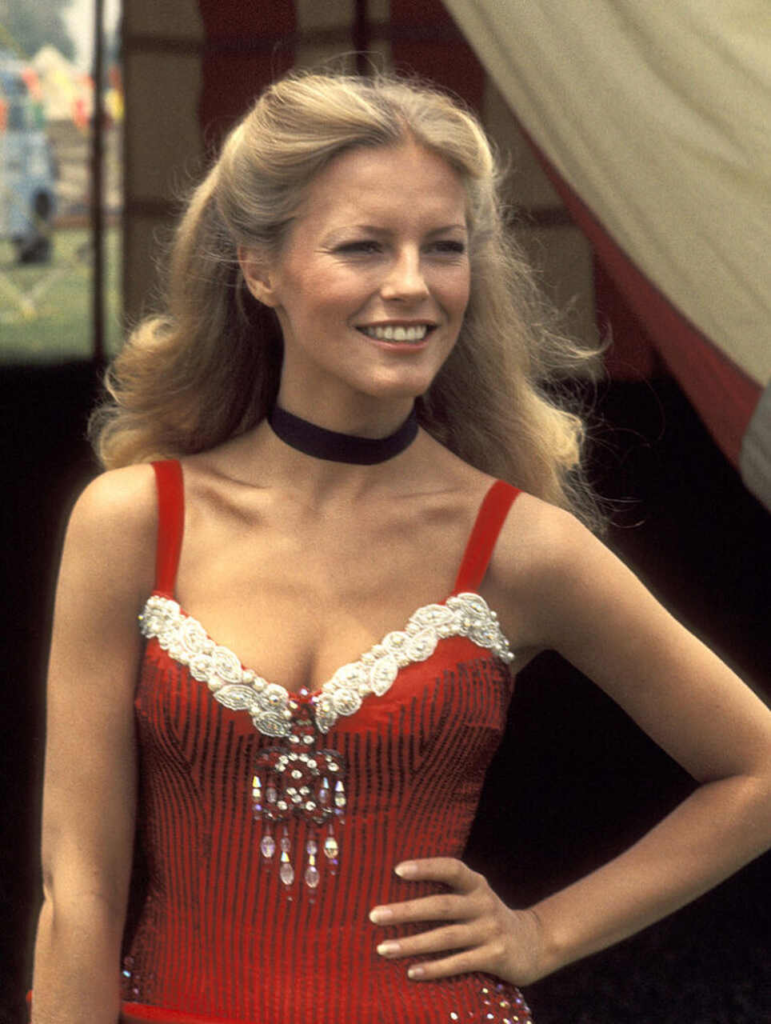
After Farrah Fawcett’s exit, the show introduced Cheryl Ladd as Kris Munroe, described as the sister of Fawcett’s character.
Her first-day move became a legend:
- Ladd reportedly arrived wearing a T-shirt that read “Farrah Fawcett Minor”, a playful way to acknowledge the pressure of replacing an icon.
Legacy: What Charlie’s Angels Left Behind
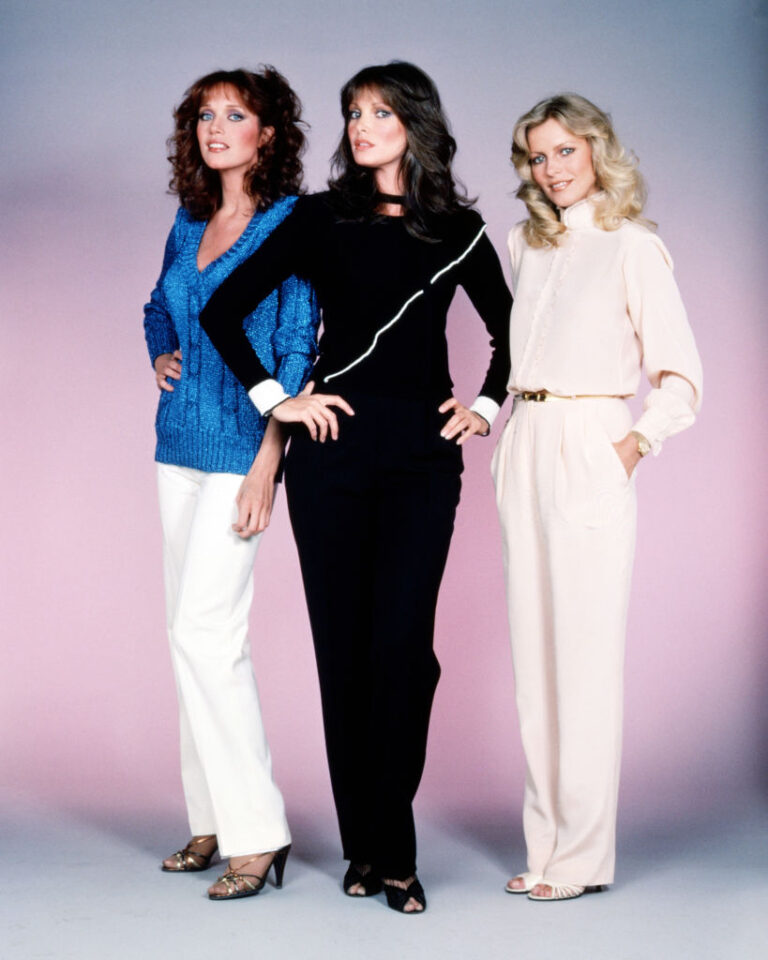
Despite shifts in tone over time, the show’s lasting influence is hard to ignore.
What it helped prove:
- Women could lead action-driven stories and still attract massive audiences.
- Femininity and strength could coexist on-screen without canceling each other out.
- The Angels became role models and cultural symbols, inspiring later generations of female-led action and crime shows.
How the franchise continued:
- A major film revival arrived in 2000, featuring Cameron Diaz, Drew Barrymore, and Lucy Liu.
- A 2011 reboot attempted to revive the formula but ended after only seven episodes.
- A 2019 film introduced a new trio: Kristen Stewart, Ella Balinska, and Naomi Scott, aiming to bridge nostalgia with a modern style.
Where the Original Angels Are Now
A brief snapshot of key cast members often associated with the original run:
- Kate Jackson: remembered as the intelligent, steady presence of the team
- Farrah Fawcett: remained a defining pop-culture figure; she passed away in 2009
- Jaclyn Smith: the only Angel to appear across the full run, and a major pioneer for female TV leads
- Cheryl Ladd: continued working in entertainment beyond the series
- Shelley Hack: later moved into producing and other projects
- Tanya Roberts: passed away in 2021 due to health complications
The Bottom Line
Charlie’s Angels wasn’t just a flashy detective show—it became a cultural marker. Even with its contradictions, it pushed prime-time television toward a future where women could be the action heroes, not just the side characters, and where a female-led cast could carry ratings, style influence, and franchise longevity all at once.
