
In today’s society, there’s significant pressure to maintain a flawless complexion. Age spots, moles, skin tags, blackheads, and warts are often viewed as undesirable. While doctors and dermatologists offer various treatments, natural skincare methods and products can be equally effective, usually at a lower cost and with fewer side effects. Here’s how you can naturally care for these common skin issues.
Holistic Approaches to Common Skin Problems
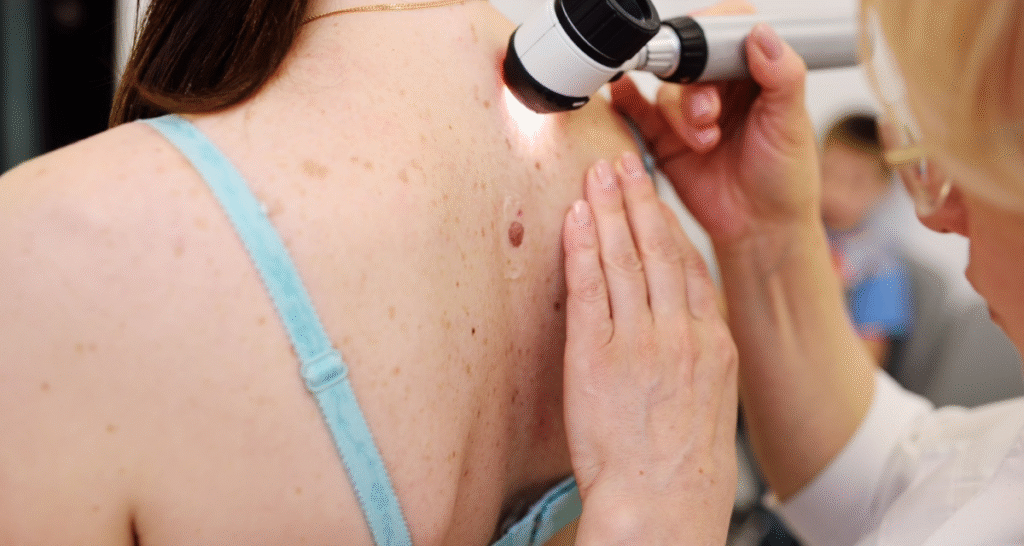
Many skin issues can be effectively treated by doctors or dermatologists, but these treatments often come with a high cost and the risk of damaging the surrounding healthy skin. Sometimes, they may even leave scars. Fortunately, natural skincare offers various home remedies that you can try first to manage these conditions. However, it’s important to watch for any adverse reactions, and if the problem persists, consult your doctor or dermatologist.
How to Treat Hyperpigmentation Naturally
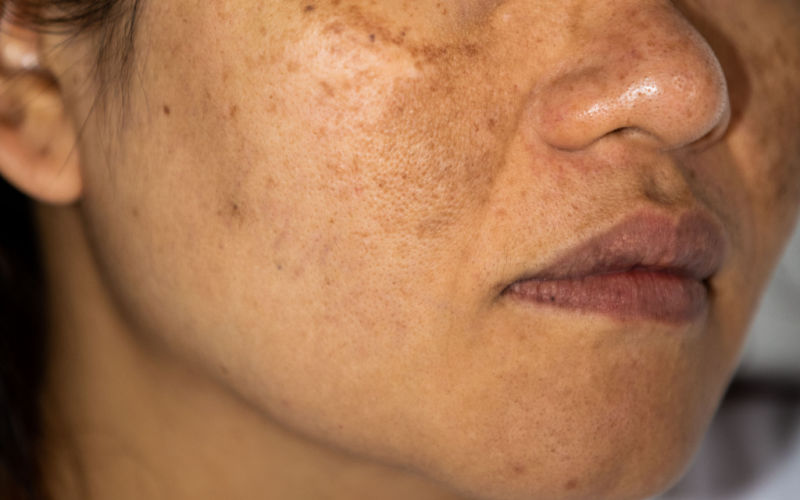
Throughout our lives, we’re exposed to many environmental elements—chief among them is sunlight. While sunlight is essential for overall health, its ultraviolet (UV) rays can cause significant skin damage. Often, this damage doesn’t appear until years later in the form of what we commonly refer to as age spots. These spots are actually areas of hyperpigmentation—dark patches that result from prolonged sun exposure.
The most crucial step in managing age spots is prevention. Starting at a young age, it’s important to apply sunscreen with at least SPF 30 daily—even on cloudy days and during winter months. Wearing sun-protective clothing like hats and sunglasses also plays a key role. If age spots have already developed, there are several natural skincare remedies that may help reduce their appearance.
Apple Cider Vinegar (ACV):
Acetic acid, a key component of ACV, has been shown to help lighten areas of skin discoloration. To use safely, dilute ACV with an equal amount of water to avoid irritation. Apply the mixture to dark spots for 2–3 minutes, rinse with lukewarm water, and repeat twice daily.
Aloe Vera:
According to a 2012 study, aloin—a compound found in aloe vera—acts as a natural depigmenting agent. Apply aloe gel to affected areas before bedtime and rinse off in the morning.
Green Tea Extract:
Research suggests green tea extract may help reduce skin pigmentation. You can purchase green tea extract products and follow the application instructions. While some recommend using brewed green tea bags, there’s little scientific evidence supporting their effectiveness for hyperpigmentation.
Black Tea:
A study conducted on guinea pigs found that black tea helped lighten dark spots, though human studies are lacking. If you wish to try it, steep black tea leaves in boiling distilled water for two hours, strain, and apply the cooled liquid to the skin once daily using a cotton ball.
Licorice Extract:
Licorice contains active ingredients that have been shown to reduce hyperpigmentation, particularly from sun damage. Look for creams or serums that contain licorice extract and use as directed.
Orchid Extract:
Studies indicate that applying orchid extract to dark spots over eight weeks can significantly reduce their size and visibility. This ingredient is often found in facial masks, creams, and exfoliating products.
Lactic Acid Peels:
Lactic acid, found naturally in dairy products, is a gentle exfoliant that can help lighten dark spots. It works similarly to glycolic acid but is more suitable for sensitive skin. Be sure to apply sunscreen regularly afterward, and avoid using it if you have eczema, rosacea, or psoriasis.
Other options include skincare products formulated with retinol or hyaluronic acid, both of which can help improve skin texture and tone. For more intensive treatment, a dermatologist may recommend procedures like microdermabrasion, cryotherapy (freezing), chemical peels, or laser therapy. These medical treatments should always be performed by a licensed professional
Dealing with Skin Tags Naturally
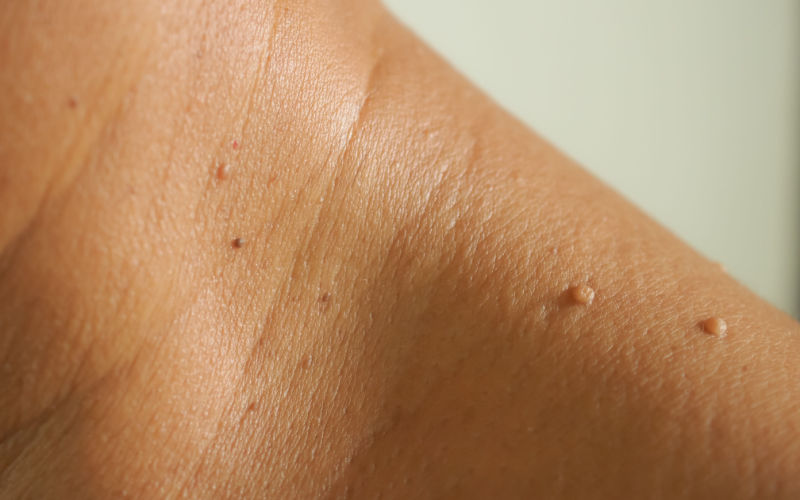
Skin tags are harmless, soft growths that often appear in areas where skin folds or rubs together—such as the neck, armpits, eyelids, under the breasts, and around the groin. They develop when loose collagen fibers become trapped in thicker layers of skin. While they’re common and typically not a cause for concern, many people choose to remove them for cosmetic reasons.
In most cases, skin tags can be removed safely at home, but it’s important to understand that natural remedies may take longer to show results than clinical treatments. Never attempt to cut off a skin tag yourself, as this can lead to bleeding, infection, and scarring.
Tea Tree Oil:
Known for its antiviral and antifungal properties, tea tree oil can be used to help dry out and remove skin tags. However, it must be diluted with a neutral carrier oil (like coconut or olive oil) to prevent skin irritation. Apply the diluted oil with a cotton swab to the skin tag before bed, then cover it with a bandage overnight. Repeat this process daily until the tag dries up and falls off.
At-Home Freezing Kits:
Cryotherapy kits, available over the counter, can also be used to freeze off skin tags. These treatments work by applying a cold agent directly to the tag, causing it to fall off over time. Be sure to follow the instructions carefully. If the treatment is ineffective or causes irritation, consult a healthcare professional.
Important Note:
Always take care when applying any treatment near delicate skin. The goal is to remove the skin tag without harming the healthy skin around it. Discontinue use if you notice redness, irritation, or inflammation, and consult a doctor if the skin tag persists or worsens.
Understanding and Managing Warts Naturally
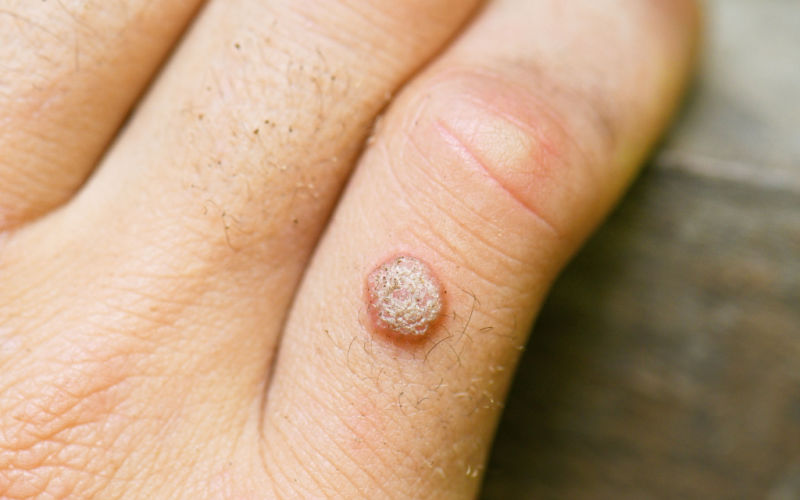
Warts are non-cancerous skin growths caused by an infection with the human papillomavirus (HPV). While they’re typically harmless, warts are contagious, can be uncomfortable, and are often considered unsightly. Medical treatments—such as freezing, chemical peels, surgery, or laser therapy—can be effective but may be costly and irritating to the skin. Fortunately, there are several natural remedies you can try at home.
Apple Cider Vinegar (ACV):
ACV contains acetic acid, which has antibacterial and antiviral properties. It works by gradually burning and breaking down the infected skin, prompting the wart to fall off. The irritation may also trigger your immune system to fight the underlying virus. Always dilute ACV with water before applying, as using it undiluted can damage the skin. Note that more research is needed to confirm its effectiveness.
Bee Propolis:
Propolis is a natural resin-like substance produced by bees from plant materials, beeswax, and enzymes. It’s known for its antiviral and skin-repairing properties, making it a popular natural remedy for various skin conditions, including HPV-related warts. Apply a small amount of propolis directly to the wart and cover it with a bandage overnight. Repeat daily until the wart disappears.
Duct Tape Method:
Some studies suggest that duct tape can help remove warts by gradually stripping away layers of infected skin. To use this method, place a small piece of duct tape over the wart and leave it on for 3 to 6 days. After removing it, soak the area in warm water and gently exfoliate with a pumice stone or emery board. Leave the wart uncovered for 10–12 hours, then repeat the cycle until the wart is gone.
Important Note:
Even natural remedies can cause skin irritation, so monitor the area for any signs of adverse reaction. These treatments are only appropriate for non-genital warts. If you have genital warts or if the wart worsens, consult a healthcare provider.
Say Goodbye to Blackheads—Naturally
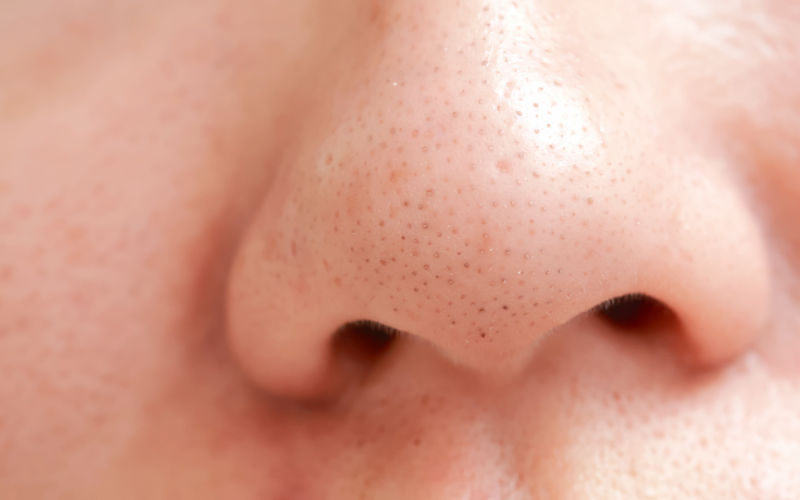
Blackheads are one of the most common forms of acne. Nearly everyone experiences them—especially in the “T-zone” of the face, which includes the forehead, nose, and chin. This area tends to produce more oil, making it more prone to clogged pores. Blackheads form when dead skin cells and excess oil block a pore, leaving it open to air exposure. The dark color occurs because the contents of the pore oxidize when exposed to oxygen—not because of dirt.
Although it can be tempting to squeeze blackheads, dermatologists advise against it. Doing so can irritate the skin, cause inflammation, and lead to scarring. Thankfully, there are both over-the-counter and natural skincare options that can help clear blackheads gently and effectively.
Salicylic Acid:
Look for a daily cleanser that contains salicylic acid. This ingredient works by breaking down dead skin cells and excess oil—the very substances that clog pores. It also helps remove dirt and makeup, making it a great option for daily use.
AHAs and BHAs (Alpha and Beta Hydroxy Acids):
Chemical exfoliants like glycolic acid (AHA) and salicylic acid (BHA) help clear out dead skin cells and prevent pores from becoming clogged. Unlike physical exfoliants, these acids work beneath the skin’s surface. While they’re not ideal for inflamed acne, they work well on blackheads and can also offer anti-aging benefits. Limit exfoliation to twice a week and always wear sunscreen afterward to protect your skin.
Topical Retinoids:
Retinoids are powerful exfoliants that help clear deeply clogged pores and improve skin turnover. They’re particularly effective for persistent blackheads but can be harsh on sensitive skin. Start slowly and consult with a dermatologist if irritation occurs.
Clay Masks:
Clay masks are excellent for absorbing excess oil and drawing out impurities from the skin. They’re particularly beneficial for those with oily or combination skin. Many formulas also include sulfur, which helps break down dead skin cells and prevent clogged pores. Use once a week as a supplement to your exfoliating routine.
Charcoal Masks:
Like clay, activated charcoal works by pulling toxins and oil from the skin. Some believe charcoal penetrates even deeper into pores, making it a powerful tool for lifting out impurities and reducing the appearance of blackheads.
Baking Soda Paste:
Baking soda acts as a mild exfoliant that can help remove dead skin cells and prevent them from blocking your pores. Mix baking soda with water to form a paste, gently massage it onto your skin, then rinse thoroughly. Follow up with your usual skincare routine.
A Few Important Tips:
- Always Patch Test First: Before trying a new product or remedy, test it on a small, less visible area of skin. Everyone’s skin reacts differently, and what works for one person may cause irritation for another.
- Skip Pore Strips and At-Home Extraction Tools: While tempting, these methods can damage your skin and strip away beneficial oils along with the debris. They often do more harm than good.
- Don’t Be Misled by “Antibacterial” Labels: Blackheads are not caused by bacteria or inflammation, so antibacterial or anti-inflammatory treatments aren’t effective here. Focus instead on products that target oil buildup and dead skin.
